
"industrial chain"
2000 article(s) found
The rapid development of leisure coffee chains in 2015
With the opening of the market, the competition between the catering industry has become increasingly prominent; only continuous research, only continuous learning, can improve the level of leisure coffee chains. Therefore, investors operating leisure coffee chains must constantly master new knowledge in order to meet the needs of the market, that is to say, with the development of catering to join the market, consumers are interested in leisure coffee chains.
Starbucks localizes coffee beans in China and upgrades domestic coffee supply chain
Professional coffee knowledge exchange more coffee bean information please follow the coffee workshop (Wechat official account cafe_style) November 4, Starbucks launched China's native coffee beans in the first session of China International Import Expo. It is understood that Starbucks chose Yunnan to try to build a supply chain from cultivation, production to baking. It is worth noting that despite the rapid development of coffee cultivation in Yunnan, and

Illy Group is the first company in the world to be certified by DNV responsible supply chain management.
In March 2011, Italy became the first company in the world to be certified by DNV (Norwegian Classification Society) for responsible supply chain management. DNV is one of the most important independent industrial arbitration institutions in the world. This certification is a recognition of the concept and practice of sustainable development of the Italian supply chain, especially the industrial ecology established between Italian and the world's best coffee growers. Meaning

The first share of Chinese coffee has not broken its cocoon. It is difficult for the coffee chain to join.
The perfect integration of coffee shops and ancient city towers the origin of the capital market has a far-reaching relationship with the coffee industry, but it is a pity that this fate has not been realized in China. In 1773, the first British stock exchange was established at the Jonathan Cafe in Chais Hutong, London. History has always been strikingly similar, and 20 years later, Tondy Cafe was completed on Wall Street and became the predecessor of the New York Stock Exchange. When soup
Nilu Coffee surpasses Starbucks
Although Starbucks is sweeping the world, a small company, which competes with it in the UK, has not been defeated, but has stood out. The return on assets has surpassed Starbucks for four years in a row, the store has expanded at an average annual rate of 38%, and its share price has risen 15 times in three years. The reason is that it implements the essence of the industry excavated by Starbucks: experiential consumption. It turns out that if a small company has a thorough grasp of the industry,

Why is coffee so popular in the world, but not tea?
It is an undeniable fact that the development of tea has not formed a world-class chain like coffee. Why tea is not so popular in the world is also a question for many people in China. Why on earth is it? Tea can be refreshing, tea polyphenols are good for the human body, tea contains much less calories than coffee, but. It is true that there is no tea industry in China.

The first share of Chinese coffee has not broken its cocoon. It is difficult for the coffee chain to join.
In 1773, the first British stock exchange was established at the Jonathan Cafe in Chais Hutong, London. History has always been strikingly similar, and 20 years later, Tondy Cafe was completed on Wall Street and became the predecessor of the New York Stock Exchange. When the shrewd owner of Tondy Cafe invited Wall Street pioneers into the room from under the plane tree, there was a wisp of coffee aroma intertwined with a lubricated taste.

Brief introduction of Korean Coffee Brand chain in Zoo
Beijing Zhukafei Food and Beverage Management Co., Ltd. is a foreign-funded enterprise established on August 18, 2008 in the Beijing Municipal Administration for Industry and Commerce. The general business project of the company is catering management. ZOOCOFFEE, which started in Korea in 2009, is a chain coffee brand with animal culture as its theme. It skillfully combines coffee culture and animal culture, and the storefront is close to nature.

US media reveals cat feces coffee industry chain: civet cats are generally enslaved and abused
Traditionally, cat poop coffee is made from coconut cat waste collected in the wild. But its high price has led to wild civets being captured and kept in captivity on coffee plantations. A recent report published in the journal Animal Protection assessed the survival of 48 civet cats on 16 plantations. The cat poop coffee industry is a slavery industry.
Yunnan Coffee urgently needs to extend the Industrial chain
After nearly 60 years of development, Yunnan Province has become the largest coffee bean production and export base in the country. although it is still in the initial stage, the planting area has broken through the 1 million mu mark for the first time, which indicates that Yunnan coffee industry has made a solid step forward.
Construction of the whole industry chain of fine coffee in Lincang, Yunnan
In recent years, the boutique coffee industry in Lincang City, Yunnan Province has emerged as a new force, and is building a new industrial chain around the links of boutique coffee cultivation, scientific research, processing, brand building and so on.

The taste of Laohua Coffee will it affect the quality of coffee?
As a barista, you must have met some customers who were in a hurry to grab coffee and leave without noticing the flower pull you made for him. At the moment, you may be thinking, comrade, you left in such a hurry, can't you stop and enjoy the flowers I made for you? Do you know how much effort and experience I have to make in order to make such a perfect flower?
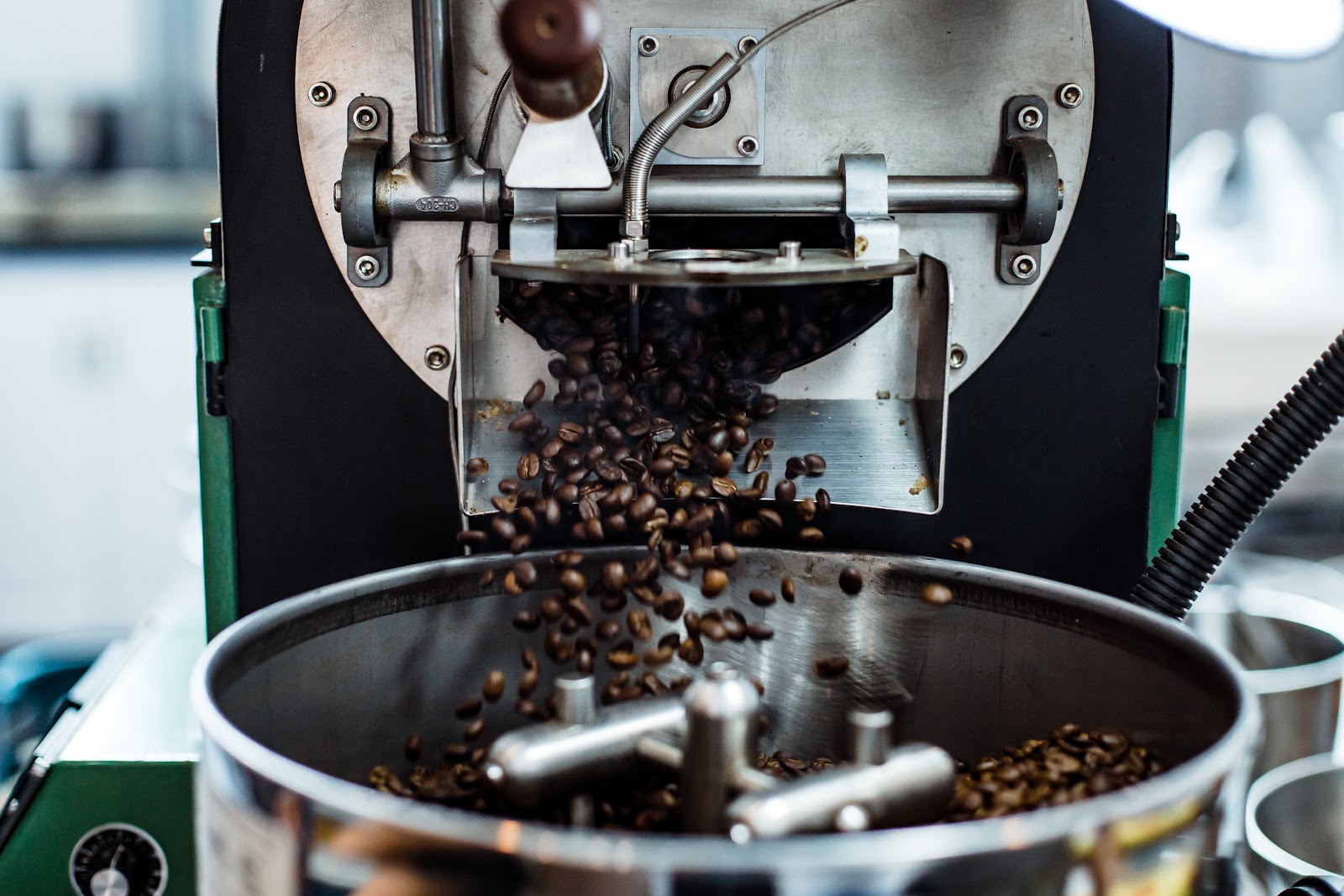
How to become a boutique coffee chain? The secret of expanding a coffee shop from a store to a chain!
Professional coffee knowledge exchange more coffee bean information please follow the coffee workshop (Wechat official account cafe_style) according to incomplete statistics, by the end of 2018, the number of cafes in China has approached 140000. With the rise of the new middle class in China, instant coffee and commercial coffee can no longer meet people's demand for high-end coffee, and the wave of fine coffee in China is coming.
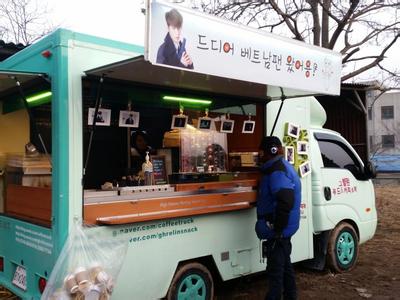
Challenge the industry giant whether this "intelligent coffee car" can open up the Chinese coffee market.
① has scale and market, but the chain coffee giant is dominant, and there are not many other large-scale brands. According to industry data, China's coffee consumption market in 2015, however, compared with the mature coffee market in Europe, the United States and even Taiwan, the mainland coffee market is mainly controlled by chain coffee giants, and there is no competitive format in which a hundred flowers blossom. The entry threshold of ② industry is high, and coffee culture
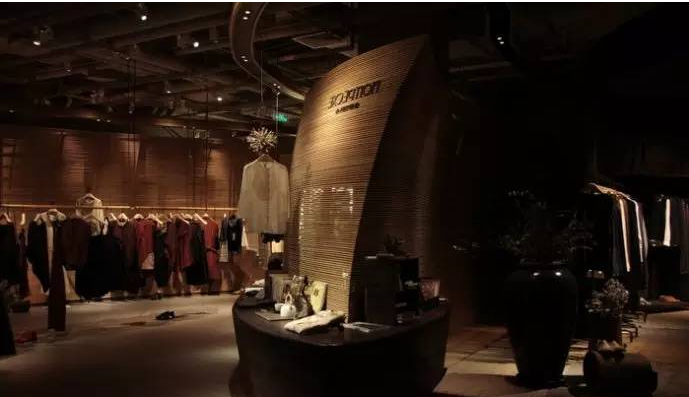
The extension of the clothing industry chain-is only the coffee shop the first choice?
Guide to Jiaxiang: the LA CAF coffee shop of Napajia women's wear in Beijing's Oriental Xintiandi has become a leisure place for consumers; China's first TEENIE WEENIE CAFE coffee shop also attracted a lot of attention when it opened in the Hangzhou department store. Is it possible that only coffee shops can become the choice for clothing stores to operate across borders? A battle for coffee is under way, and clothing brands seem to have found another way to break through the retail dilemma.

Catering enterprises discuss how to solve the problem of fierce competition in restaurants.
Last week, Suzhou Wujiang Diamond's well-known chain food square went to Hangzhou to attract investment. Dr. Communication University Of China and Luo Zhenyu, former producer of Dialogue on CCTV, were invited to discuss the hot issues facing the catering industry with the heads of well-known Hangzhou catering enterprises, such as Jin Linglong, Kanda Chuan and Liu Jia Restaurant. It is difficult to open a chain of Chinese food, there is not enough talent, and the house can not afford to rent, what should we do? Listen to Luo Zhenyu

Us media expose Kopi Luwak industry chain: civets are generally enslaved and abused
Reported that since 2013, including the British department store Harold and Selfridge department stores, at least 13 retailers have taken Kopi Luwak off the shelves or promised to investigate the production process of Kopi Luwak. But regulating the Kopi Luwak industry is not easy: animal rights activists say it is difficult to trace the origin of Kopi Luwak, and it is harder to judge whether they are involved in the abuse of civets than wild musk deer
Coffee shops are full of capital pouring into the money-throwing circle. The economies of scale have not yet been highlighted.
The economy is slowing down. Have a cup of coffee. When we are looking to expand the industry against the market in a period of economic weakness, the coffee chain is clearly an alternative landscape originating from a foreign land. This new face emerging in Shenzhen Huaqiang North and other business circles is not only a contest between imports and national style, but also the intersection of efficient work and slow-paced life. Freshly ground coffee not only seduces the taste buds of more and more Chinese people, but also sucks.

Can this new scene of "bike sharing" in the catering industry bring about a revolution in the business model?
Mobike and ofo bicycles have become the hottest new game of Internet sharing economy, which is actually based on scene reconstruction. Wu Sheng, a famous self-media man, once concluded that the scene has become one of the few opportunities for the transformation of traditional industries in the "scene Revolution". The bicycle economy confirms this judgment. Diners often become pioneers of the new economic model without knowing it that the catering industry